
Student and Work Visas: Policies and Best Practices
Student and Work Visas: Policies and Best Practices
Navigating the world of visas can seem like a daunting task for many students planning to study abroad or those looking to gain international work experience. Whether it’s for academic pursuits or to further your career prospects, understanding student and work visa policies is crucial to ensuring a smooth transition into life abroad. In this post, we’ll take a fresh perspective on the topic, especially tailored to students, focusing on the various visa types, essential policies, and best practices for a successful visa application process. Let’s dive in!
Understanding Student and Work Visas
When considering international education or work opportunities, students must first grasp the different types of visas available. While student visas grant permission to study abroad, work visas allow individuals to work legally in foreign countries. These visas vary by country, and the requirements can be stringent depending on the destination. Navigating the specifics of visa types, eligibility, and application procedures is critical to avoiding delays and ensuring that you can start your journey without any hiccups.
Student Visas: A Gateway to Education Abroad
Student visas are designed specifically for individuals who wish to study in a foreign country for an extended period. These visas not only allow students to attend academic institutions but also often come with certain restrictions and privileges.
For instance, in many countries, student visa holders are allowed to work part-time while studying, helping them gain valuable work experience and contribute to their living expenses. However, it is essential to check the specific work limits for students, as they differ by country. For example, in Canada and Australia, students are permitted to work up to 20 hours per week during the academic term and full-time during breaks, while the United States typically allows 20 hours of work per week on-campus during the school year.
Work Visas: Expanding Career Horizons
Work visas, on the other hand, are typically granted to foreign nationals who have secured a job in the host country. These visas allow individuals to live and work legally for a specified period. The application process for work visas can be more complex, as it often requires proof of employment, the employer’s sponsorship, and, in some cases, labor market testing to ensure that local citizens are not being displaced by foreign workers.
While work visas are crucial for career-driven individuals, many students look for opportunities to secure work visas post-graduation, especially in countries where there is a path for transitioning from a student visa to a work visa. Some countries, like the United Kingdom, offer graduate routes that allow students to stay and work for a limited time after completing their studies.
Visa Policies: Key Considerations for Students
Visa policies are subject to constant change, often influenced by global economic conditions, political climates, and immigration regulations. Students planning to apply for visas must stay informed about the latest developments and policy changes. Countries frequently update visa eligibility criteria, application procedures, and deadlines. For example, during the COVID-19 pandemic, many nations temporarily adjusted their visa policies to accommodate international students who were unable to travel due to travel restrictions.
Application Procedures: Step by Step
Each country has its own set of procedures for applying for student and work visas, and understanding these procedures is key to a successful application. Generally, the process for obtaining a visa involves:
- Researching visa requirements: This includes determining the type of visa you need (student or work) and reviewing the specific eligibility criteria set by the host country.
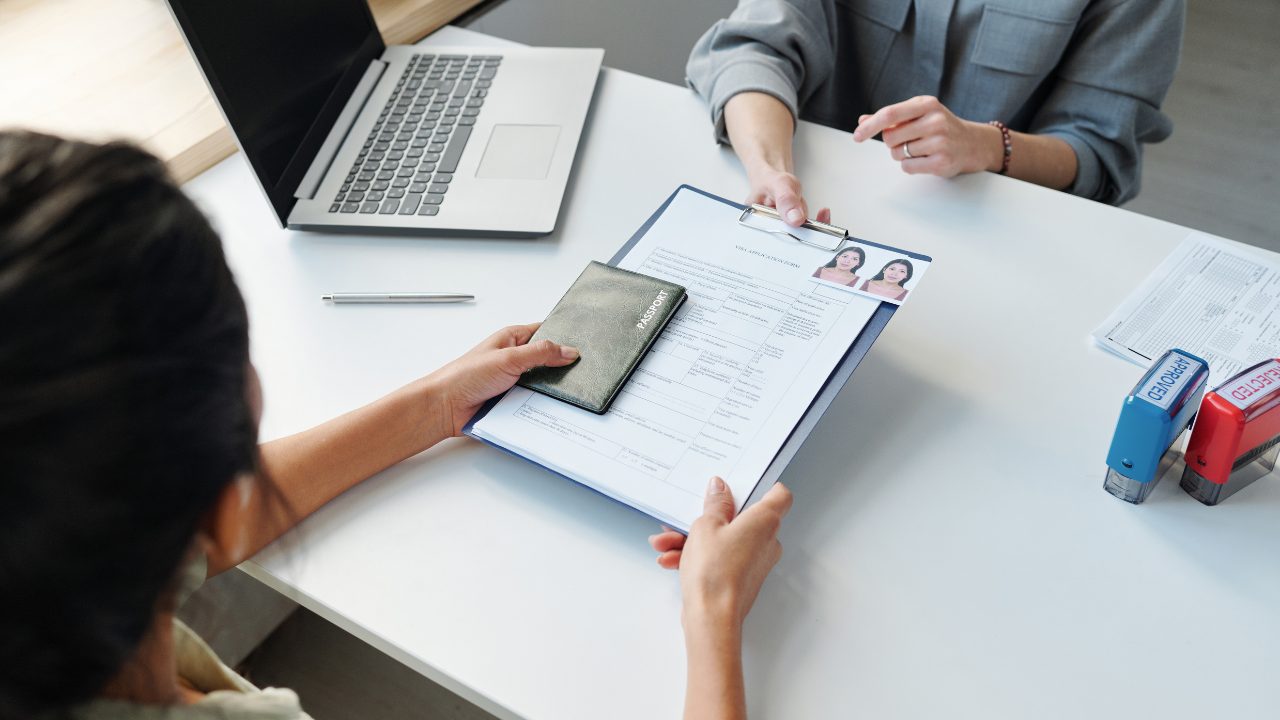
- Collecting documents: Required documents often include proof of enrollment in an educational institution or a job offer letter for work visas, passport photos, proof of financial stability, and sometimes medical certificates.
- Submitting the application: Most countries require students to submit their applications online through a government portal or through their consular offices. Be mindful of deadlines and ensure that all required documentation is complete and accurate.
- Visa interview (if required): In some cases, students and workers must attend a visa interview to verify their intentions for traveling to the country. Prepare for these interviews by reviewing your documents and being ready to explain your plans.
- Waiting for approval: Visa processing times can vary significantly based on the country and type of visa. Be prepared for delays, and apply well in advance to avoid any last-minute stress.
Best Practices for a Smooth Visa Application Process
Applying for student or work visas can be challenging, but with the right approach, you can simplify the process. Here are a few best practices that can help ensure your application goes as smoothly as possible:
Start Early and Stay Organized
It’s essential to begin the application process well in advance of your intended travel date. Visa applications can take weeks or even months to process, and you don’t want to be rushed when it comes time to submit your documents. Begin by gathering all the necessary paperwork, including your acceptance letter from a university or job offer. Organize these documents in an easy-to-reference system so that you don’t overlook any crucial detail.
Consult with Experts or Agencies
Visa application requirements can be complex and may differ greatly from one country to another. If you are uncertain about the process or need assistance, consider consulting an immigration expert or agency. They can provide guidance on the latest regulations, help you avoid common mistakes, and even assist with the paperwork to increase your chances of success.

Follow Instructions to the Letter
It’s important to follow the instructions provided by the embassy or consulate to the letter. Countries have specific requirements for document formatting, photo specifications, and application procedures. Failure to adhere to these requirements can result in delays or outright denial of your visa. For instance, if you’re required to submit a financial statement, ensure it meets the precise criteria outlined by the visa authority.
Be Honest and Transparent
Honesty is paramount when applying for a visa. Be truthful about your intentions and financial situation. If you are applying for a student visa, be clear about your study plans and show evidence of your academic progress. If applying for a work visa, demonstrate that you have secured valid employment with a legitimate company. Providing false information or attempting to hide certain details can result in serious consequences, including visa denial or even a ban from future visa applications.
Stay Informed about Changing Policies
Visa policies are not static. They can change depending on the country’s political or economic situation. Stay updated by regularly checking the official immigration websites of your host country for any policy changes. You should also sign up for notifications or newsletters from the embassy to receive the latest updates directly.
Working After Study: Transitioning from a Student Visa to a Work Visa
For many students, the ultimate goal is to find work in the host country after graduation. Fortunately, many countries offer pathways that allow students to transition from a student visa to a work visa after completing their studies.
Countries such as Canada, Australia, and New Zealand have post-graduation work permits that allow international students to stay and work for a period after finishing their degrees. In some cases, students may even be eligible to apply for permanent residency once they’ve gained sufficient work experience in the country.
However, it’s important to plan ahead for this transition. You’ll need to secure a job offer that meets the qualifications for a work visa, and in many cases, the employer may need to sponsor your visa application. Additionally, certain countries may require you to meet specific work experience criteria before applying for a work visa or permanent residency.
Suggested Reading: Comparing Government vs. Private Aviation Institutes in Delhi: Which is Better?
Conclusion
In conclusion, understanding student and work visas is essential for anyone looking to study or work abroad. From the initial application process to the transition from student to worker, staying informed, organized, and proactive is key. By following the best practices outlined here, you’ll increase your chances of a successful visa application and be well on your way to a fulfilling international experience.
If you’re considering pursuing a career in the travel or tourism industry and need assistance with visa management or any related services, Travel Learning Hub provides specialized courses designed to help students gain expertise in travel documentation, including visa management. Their expert faculty and industry-oriented training will equip you with the skills necessary to navigate the complexities of international travel and immigration policies, ensuring a seamless transition into your global career.
For more information, visit Travel Learning Hub.
Tags
About The Author