
How to Join an Airline as a Cabin Crew After 12th
How to Join an Airline as a Cabin Crew After 12th
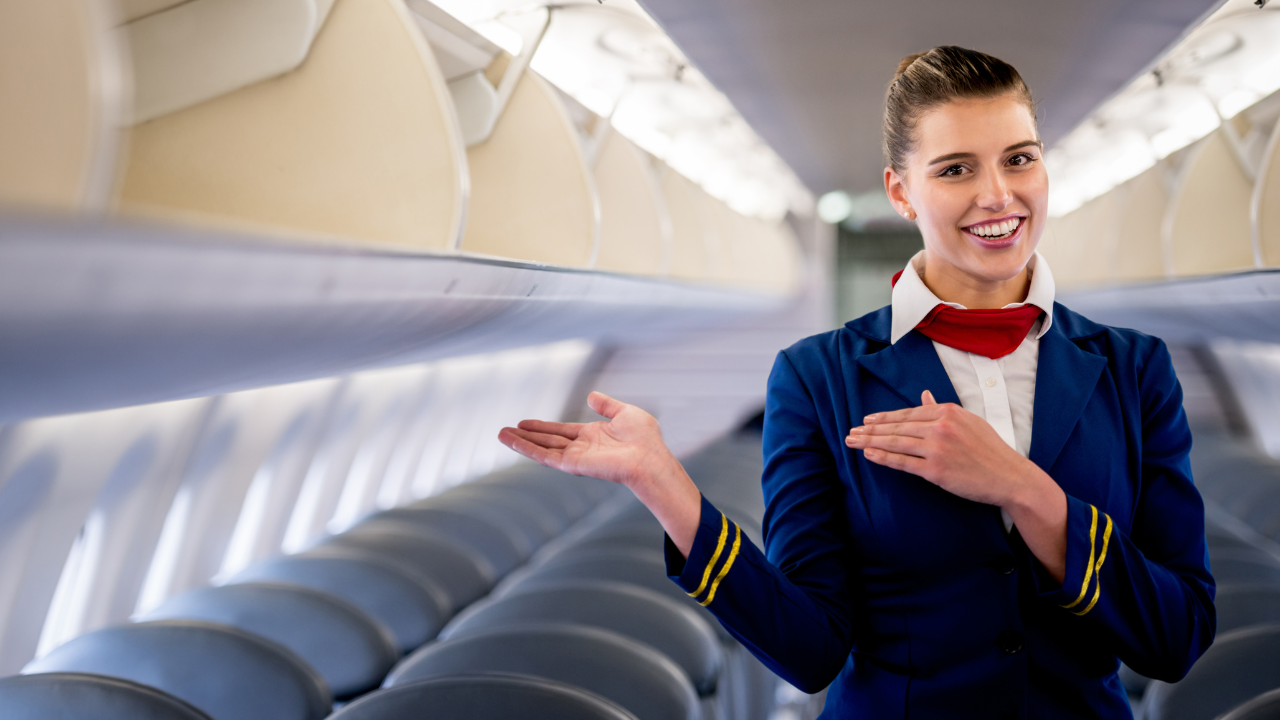
So, you’ve just completed your 12th grade, and you’re standing at the edge of a runway—not a literal one (not yet!), but the kind where possibilities are taking off. Among the many dreams floating in your mind, one might be to soar through the skies, dressed in an immaculate uniform, gliding down the aisle of an aircraft, offering passengers the comfort and calm of a perfect flight. If becoming a cabin crew member is calling out to you, this guide is your co-pilot. Let’s navigate the sky-high world of aviation careers—specifically, how you can join an airline as a cabin crew member right after completing your 12th.
Dreaming Beyond the Desk: Why Cabin Crew?
Let’s be honest—some people are meant for a cubicle, and others are born for the clouds. Cabin crew isn’t just a job; it’s a lifestyle that blends hospitality with adventure. The uniform might sparkle, but it’s the personality, professionalism, and poise behind it that truly define the role. If you’ve got a love for meeting people, managing situations with grace, and traveling across countries instead of staying stuck in one, then this path might just be your runway to take off.
The most beautiful part? You don’t need a college degree to begin. Just a good academic background till 12th grade, the right training, and a whole lot of passion.
Starting Right After School: The Eligibility Criteria You Should Know
Right after your 12th standard, the doors to aviation start to open. But before you step through, airlines and aviation academies look for some baseline qualities. Most airlines prefer candidates who have completed their 12th with English as a subject. Your communication skills will matter more than your math scores.
Beyond academics, there’s a strong emphasis on your physical presentation and health. Good eyesight, a presentable appearance, a pleasing personality, and the ability to communicate fluently in English (and sometimes another language) are all key factors. Airlines also consider your height, as reaching overhead cabins is part of the job, and you’ll undergo medical tests to ensure you can handle cabin pressure and jet lag without much trouble.
From Classroom to Cabin: Why Specialized Training Matters
This is where most students feel stuck: “I’ve finished my 12th. What now?” The aviation industry is fast-paced and extremely professional. You can’t just walk into an airline’s interview without knowing how to speak, dress, and carry yourself like a cabin crew professional. That’s where aviation training institutes step in—and they do far more than teach you how to smile or serve tea.
Institutes like Travel Learning Hub play a crucial role in transforming students into industry-ready professionals. These training programs are tailored to help you understand the various facets of airline hospitality, passenger safety, emergency procedures, and even the psychology of passenger handling. Think of it as finishing school with wings.
Their approach isn’t robotic. They won’t hand you a script and expect you to perform. Instead, you’ll be taught how to think and respond in real-time scenarios—how to manage medical emergencies mid-flight, how to handle an irate passenger, or how to make a crying toddler smile. This is where your soft skills meet structure.
The Training Journey: What You Actually Learn
Enrolling in a professional cabin crew training course gives you insight into areas most people never think about. There’s the grooming and personality development module that hones how you dress, walk, and present yourself with confidence. You’ll also go through aviation terminology and in-flight services, which prepare you to speak and act like someone who belongs on an international airline.
Then there’s safety and first aid training. This is not about casually bandaging a paper cut. It’s about reacting quickly during turbulence, administering CPR, using oxygen masks, or safely guiding passengers during an emergency landing. There’s an entire world of protocol and procedure behind every calm face you see walking through the aisles of a plane.
Some institutes also offer modules on foreign language basics, especially if you’re aiming to work with international airlines. Even a few polite phrases in French or Arabic can take you a long way in this global profession.
Industry Exposure: Why Internships and Simulations Matter
Theoretical knowledge is crucial, but the aviation industry thrives on practical confidence. A good training institute will offer live simulations and exposure to real airline practices. This could mean training in mock aircraft cabins, practicing emergency drills, and interacting with professionals who’ve worked with international airlines.
These experiences build muscle memory. When you’ve practiced reacting to an emergency landing or dealing with passenger queries during simulations, your mind is already trained to respond calmly in the real world. You begin to think, speak, and act like crew—even before you get the wings on your chest.
Internships or placements at airports and with ground staff also give you an edge. You start understanding the behind-the-scenes operations that make each flight successful. This layered learning makes you far more prepared than a candidate walking in without any structured training.
Cracking the Interview: Confidence Meets Preparation
Now comes the part that most students fear: the airline interview. But here’s the truth—when you’ve undergone good training, this part becomes less intimidating and more of a showcase of everything you’ve learned.
Airline interviews are not like traditional job interviews. They don’t just want to know your marks or previous jobs. They’re assessing your poise, your response under pressure, your grooming, and your attitude. They’ll watch how you enter the room, how you smile, how you handle tricky customer service scenarios thrown at you during group discussions.
This is where Travel Learning Hub’s preparation techniques shine. Their grooming standards, mock interview sessions, and personality-building exercises ensure that you’re not just another applicant—you’re a confident, polished individual who fits the airline’s brand image.
And confidence is magnetic. It shows not just in how you speak, but in how you listen, how you carry yourself, and how you interact with others in group rounds. Airlines are always on the lookout for team players who can work in high-pressure environments with a calm head and a caring smile. That could be you.
The Real Deal: What Happens After Selection
Getting selected is a thrill—your hard work, hours of training, and interview practice finally pay off. Once you’re chosen by an airline, you undergo their official training program. This is typically an intense few weeks where you learn that particular airline’s standard operating procedures, service styles, safety drills, and aircraft-specific training.
It’s almost like joining a military unit but with a smile. You’ll learn how to maintain that composure through turbulence, demanding passengers, and back-to-back flights. You’ll also build lifelong friendships with your batchmates and senior crew.
Post-training, you’re certified to fly. And when you finally step into the aircraft in your official uniform for the first time, headset in place, greeting passengers with genuine warmth—you realize this is no ordinary job. You are now the face of a brand, a guardian of safety, and the first line of comfort for travelers worldwide.

Not Just a Job, But a Lifestyle
Once you become a cabin crew member, life is never the same. Your office is 30,000 feet above the ground. You might have breakfast in Mumbai, lunch in Dubai, and dinner in Frankfurt. You’re exposed to global cultures, cuisines, and customer experiences that most people only dream about.
But this career also demands discipline. Irregular sleep cycles, jet lag, time away from family—it all becomes part of your new normal. You’ll celebrate festivals in foreign lands and sometimes work through holidays. Yet, there’s something deeply fulfilling about knowing your job brings comfort and joy to thousands of people every single day.
You also build a network of friends and mentors who understand the thrill and challenges of this journey. The cabin crew world is small but global. You’ll find yourself connected with people who share your passion for flying, and those bonds often last a lifetime.
Suggested Reading: Airport Management Courses After 12th for Commerce Students
Your Journey Begins at Travel Learning Hub
So if you’re serious about stepping into this dynamic world after completing your 12th, don’t just rely on online videos or vague advice. Find a training ground that gives your dreams the structure they need. One such launchpad is Travel Learning Hub.
At Travel Learning Hub, you’re not just another student. You’re an aspiring aviation professional being trained to industry standards. With their expert faculty, real-time simulations, grooming sessions, and placement support, you’re equipped with every tool necessary to turn your dream into a ticket to the skies.
What sets them apart is their commitment to holistic development—not just the technical skills but the personality behind the uniform. Whether it’s brushing up your communication, polishing your image, or mentally preparing you for interviews and beyond, they treat each student like a future ambassador of the airline industry.
If the skies are calling, let Travel Learning Hub help you answer that call. Your wings are waiting. You just need the right runway to take off—and you’ll find that at https://travellearninghub.com/.
Tags
About The Author