
Popular Aircraft Maintenance Courses for 12th Graduates
Popular Aircraft Maintenance Courses for 12th Graduates
So, you’ve just walked out of your last exam hall in 12th grade, the ink still wet on your answer sheet, and already the world feels wide open. If the thrum of engines and the echo of runways set your heart racing, it’s worth paying attention to the unsung heroes of the aviation world—aircraft maintenance engineers. While pilots often steal the spotlight, it’s the aircraft maintenance professionals who keep everything in the sky functioning flawlessly. For students with a knack for mechanics, electronics, or simply a fascination with how flying machines tick, the aircraft maintenance field offers an exciting and highly specialized career.
Let’s take a closer look at why this path is not just practical but incredibly rewarding—and more importantly, how 12th-grade graduates can jump straight into this dynamic world through some of the most sought-after aircraft maintenance courses.
What Makes Aircraft Maintenance a Smart Career Move?
Before diving into the courses, let’s explore why this field matters. Every aircraft that soars through the sky does so because a team of skilled professionals ensures it’s airworthy. This isn’t just about checking the oil or wiping the windshield—it’s an intricate process involving mechanical systems, avionics (aviation electronics), structural integrity, and safety checks that require precision, dedication, and in-depth technical training.
With the global aviation industry rapidly expanding post-pandemic, there’s a mounting demand for trained aircraft maintenance professionals. Airlines, charter services, defense organizations, and even private jet owners rely heavily on certified technicians to keep their fleets compliant and safe. In fact, as travel returns with a vengeance, maintenance and overhaul operations are booming globally.
And here’s the kicker: the profession doesn’t just promise respect and responsibility. It pays well, offers opportunities to travel or work abroad, and places you right in the center of high-stakes, high-tech work.
Understanding the Basics: What You Need After 12th
Now, if you’ve just cleared your 12th standard exams, particularly in the science stream with Physics, Chemistry, and Mathematics, you already qualify for many aircraft maintenance programs. These programs are regulated by aviation authorities such as the DGCA (Directorate General of Civil Aviation) in India and internationally by organizations like EASA (European Union Aviation Safety Agency) and FAA (Federal Aviation Administration in the U.S.).
This field isn’t only for those with perfect grades or engineering ambitions—it’s for those with curiosity, focus, and a desire to work with their hands and minds in tandem. Think of it as engineering, but with wings.
AME (Aircraft Maintenance Engineering) Courses: The Most Popular Choice
One of the most recognized qualifications in India and globally is the Aircraft Maintenance Engineering course. Unlike a traditional engineering degree, an AME program is specifically focused on aircraft technologies, covering both theoretical knowledge and hands-on practical training.
Typically, AME courses last for about two to three years and are divided into categories based on the type of aircraft systems covered. Mechanical categories may focus on airframes, engines, and structures, while avionics focuses on electronic systems, radar, navigation, and communication.
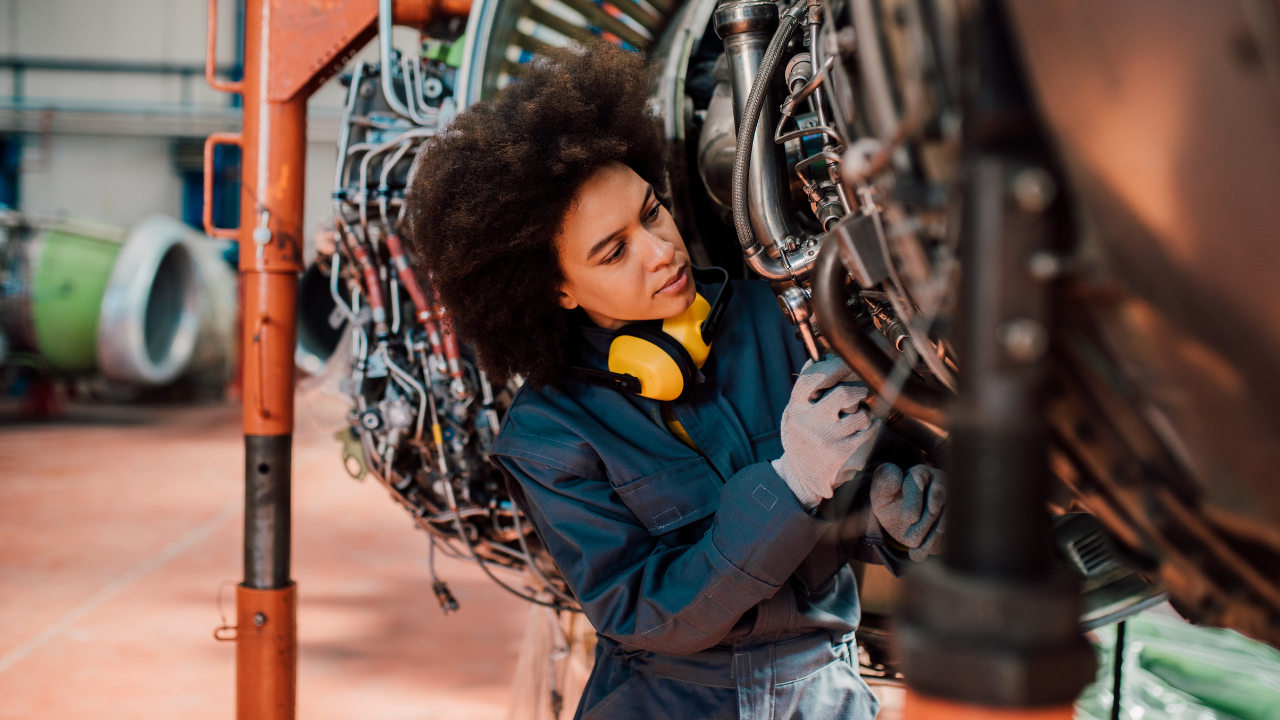
What makes this course special is the dual learning approach—students split their time between classroom instruction and actual aircraft maintenance experience in real hangars and workshops. This isn’t some simulator exercise or case-study assignment—you’re working directly on aircraft components under strict supervision, getting real-time insights into how aviation works on the ground.
Graduates are often required to clear licensing exams conducted by aviation authorities before being recognized as certified maintenance engineers. Once certified, your skills are portable—you could work for Indian airlines, but you could also find opportunities in Dubai, Singapore, Europe, or Australia, depending on the licensing authority your training adheres to.
Specialized Aircraft Maintenance Diplomas: An Emerging Alternative
While AME courses are robust and regulatory-heavy, diploma programs in aircraft maintenance offer a shorter, often more flexible pathway. These are ideal for students who want to specialize in a particular aspect of aircraft systems or who are looking to get into the workforce more quickly.
Diplomas in Aircraft Maintenance Engineering may focus on specific disciplines such as turbine engines, aircraft structures, or hydraulic and pneumatic systems. Some institutions offer avionics-centric diplomas that dive deep into the world of electronics—perfect for students more inclined toward circuitry than combustion engines.
What makes these diplomas attractive is the practical orientation. You’re in labs and hangars more than in lecture halls, and you walk away with very job-relevant skills. These courses are often designed in collaboration with industry experts and aviation companies, ensuring that graduates are prepared for the real-world challenges they’ll face on the tarmac or in the hangar.
These courses often serve as stepping stones to full AME licenses or engineering degrees, offering flexibility in your career trajectory. Plus, because many diplomas are internationally recognized, they offer global mobility—an asset for students dreaming of working with big airlines or in foreign aviation hubs.
Aviation Technician Programs: Hands-On Training with Modern Tools
While AME and diploma courses are highly focused, there are also broader technician programs that cater to various branches within aircraft maintenance. Aviation technician courses provide a holistic view of aircraft systems, combining knowledge of propulsion, structures, hydraulics, and avionics in one complete package.
These programs are often ideal for students who want a strong foundation without being locked into one specialization too early. They’re immersive, lab-intensive, and often come with internships or co-op opportunities with aviation service providers. If you’re unsure whether you’d rather tune engines or debug flight-control systems, this is the type of course that can help you discover your niche.
Several aviation schools in India and abroad offer these technician programs under tie-ups with licensed bodies and training organizations. These are a good fit for students who want to enter the job market fast but still want to build a career they can grow into—whether as a senior technician, inspector, or maintenance manager over time.

Why Practical Training and Licensing Matter More Than Just a Degree
Here’s something students need to understand early: in the world of aircraft maintenance, your license often matters more than your degree. This isn’t like a corporate job where you flaunt your university name in job interviews. In aviation, the key credential is your maintenance license.
Licensing exams are intense. They test your technical knowledge, procedural accuracy, and understanding of aviation safety protocols. But they’re also what open doors. Employers trust licenses issued by DGCA, EASA, or FAA because they indicate proven competence and adherence to aviation standards.
So, whichever course you choose—whether a two-year diploma, a full-fledged AME program, or an advanced technician course—make sure it leads you toward a recognized license. That’s your passport to employment, your badge of legitimacy, and a proof of your readiness to take responsibility for machines that carry hundreds of lives.
Career Pathways: What Happens After You Graduate?
One of the best things about choosing aircraft maintenance as a career is the sheer variety of roles it opens up. Depending on your specialization and certification, you could find yourself working in line maintenance (quick checks between flights), base maintenance (longer overhauls), component maintenance (specific parts like engines or landing gear), or even in quality assurance roles.
And it doesn’t end there. With a few years of experience under your belt, you could move into management, logistics, airworthiness inspections, or even training roles where you teach future engineers. Some professionals even go on to work with aircraft manufacturers like Boeing or Airbus in production and R&D settings.
Moreover, aircraft maintenance isn’t tied to commercial airlines alone. There’s huge demand in private aviation, cargo operations, defense forces, and offshore helicopter services. And since safety is universal, these skills are always in demand—even in regions where aviation is just beginning to grow.
A Closer Look at the Learning Experience
Let’s talk for a moment about what your day-to-day life might look like in an aircraft maintenance course. It’s not a passive, textbook-heavy experience. You’re handling tools, examining engines, testing electronics, and participating in mock drills and simulations. You’ll be learning how to read blueprints, understand aviation terminology, troubleshoot systems, and most importantly, apply safety protocols that meet global standards.
Expect your hands to get greasy, your mind to be challenged, and your sense of responsibility to grow sharper with every practical session. This is a field where precision is non-negotiable—where even a minor oversight can have serious consequences. It instills discipline, attention to detail, and a strong work ethic—all qualities that serve you well no matter where your career takes you.
And if you’re studying at a reputed institution like those featured on Travel Learning Hub, you’re also exposed to expert faculty, industry connections, and placement support that can give you a head start.
Suggested Reading: Everything About Diploma in Travel and Tourism After 12th
Conclusion: Why Now is the Best Time to Join Aircraft Maintenance
We’re living in a time when air travel is bouncing back stronger than ever. Airlines are expanding, fleets are growing, and there’s a rising wave of retirements among older aircraft technicians, leaving behind a demand-supply gap that trained young professionals can fill. That’s a golden opportunity for any student fresh out of 12th to grab hold of a career that’s practical, respectable, and future-proof.
Choosing aircraft maintenance isn’t just about fixing machines—it’s about becoming part of a safety chain that ensures millions of people reach their destinations safely every day. It’s a career that blends mechanics with science, precision with responsibility, and routine with excitement.
If you’ve got the curiosity to know what makes an aircraft fly—and more importantly, how to keep it flying safely—then this might just be your calling. The sky isn’t just the limit; it’s your workplace.
To explore top-rated Aircraft Maintenance Engineering courses, aviation technician diplomas, and specialized programs tailored for 12th-grade graduates, visit https://travellearninghub.com/. With expert-curated options and career guidance, it’s the ideal launchpad for students ready to take off into a career that truly flies.

Tags
About The Author
Posts You might like