
Role of Communication Skills in Aviation Careers After 12th
Role of Communication Skills in Aviation Careers After 12th
Stepping into the world of aviation right after 12th grade can feel like embarking on an exciting journey, full of opportunities and adventures. But beyond the technical know-how, degrees, and certifications, there’s one skill that often flies under the radar yet stands tall as a cornerstone for success—communication. Whether you’re aiming to become a pilot, air hostess, ground staff, or aviation safety officer, mastering communication skills is absolutely essential. It’s not just about speaking well; it’s about connecting, understanding, and performing in a high-stakes, dynamic environment.
Why Communication is the Heartbeat of Aviation
Imagine the buzzing atmosphere of an airport or the cockpit of a plane. There are instructions being given, passengers needing assistance, crew coordinating for safety, and pilots communicating with air traffic controllers. In such a high-pressure environment, clear and effective communication is the glue that holds everything together.
Communication skills in aviation aren’t simply about fluency in English or any other language. They’re about precision, clarity, active listening, and the ability to convey information succinctly under pressure. A single miscommunication can jeopardize safety or cause confusion. For students stepping into aviation careers after 12th, understanding this nuance is the first step towards professional readiness.
The Spectrum of Aviation Careers and Communication
The aviation industry is vast, comprising diverse roles that each demand a tailored set of communication skills. Let’s take a closer look at some key roles and why communication is integral to their success.
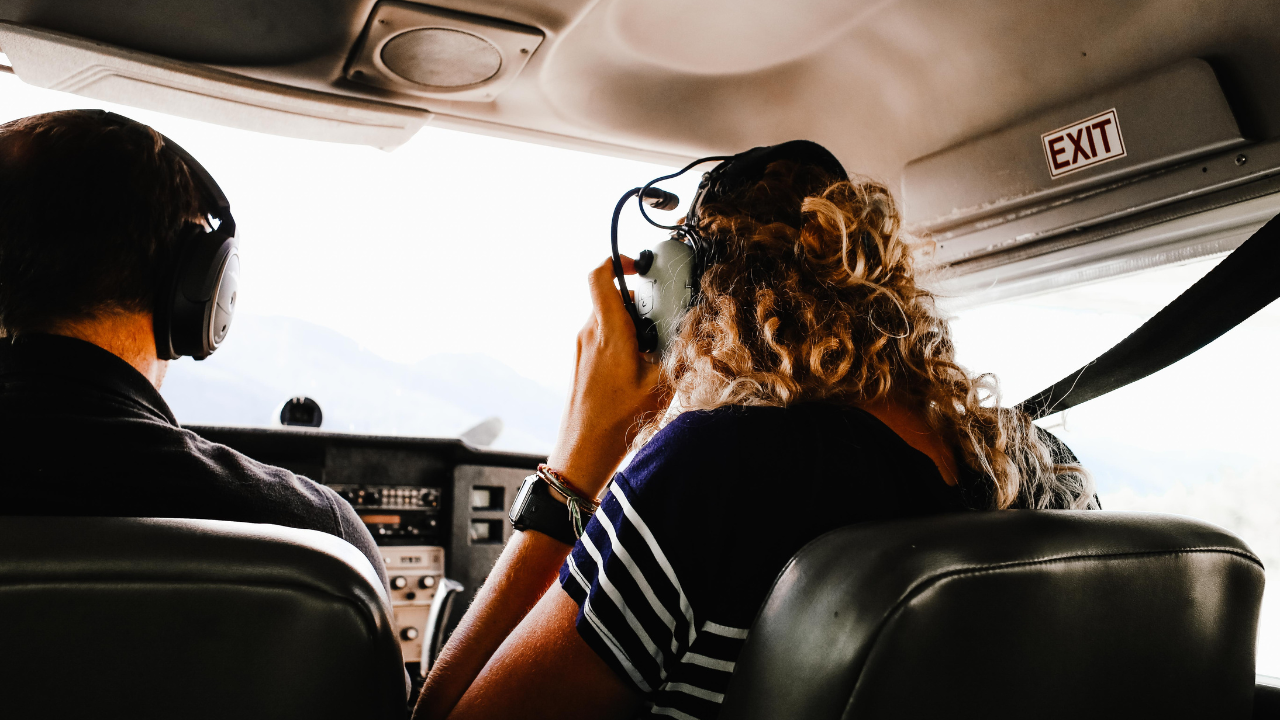
Pilots and Air Traffic Controllers: These roles demand flawless communication. Pilots must understand and respond to instructions from air traffic controllers quickly and clearly. The exchange of information must be unambiguous, as it directly affects flight safety. Moreover, pilots communicate with their crew to manage the flight operations smoothly. Clear radio communication ensures everyone stays on the same page, from takeoff to landing.
Cabin Crew: For air hostesses and stewards, communication takes a warm and empathetic tone. They interact with passengers from all walks of life, sometimes managing stressful situations like medical emergencies or unruly travelers. The ability to convey instructions politely and effectively, while also calming anxious passengers, is a vital skill that shapes the overall flight experience.
Ground Staff: Airport ground staff coordinate between various departments, handle passenger inquiries, manage boarding procedures, and troubleshoot issues on the spot. Their communication needs to be professional and efficient, often requiring multitasking and the use of technological tools to assist travelers seamlessly.
Maintenance and Safety Officers: Though their roles might seem more technical, these professionals also rely on clear communication to report issues, provide instructions, and ensure that safety protocols are understood and followed by the entire team.
Communication Beyond Words: The Importance of Non-Verbal Cues
In aviation, what you say is just half the story. Body language, facial expressions, and tone of voice play an equally critical role. For example, cabin crew members often use non-verbal communication to reassure passengers or signal readiness during emergency drills. Similarly, pilots and ground staff rely on clear gestures and signals when verbal communication is limited or unavailable.
Students preparing for aviation careers should therefore cultivate not only verbal communication but also the ability to read and use non-verbal cues effectively. This holistic approach to communication makes interactions smoother and helps build trust within teams and with passengers.
Language Proficiency and Aviation English
Since aviation is a global industry, English is often the lingua franca. The International Civil Aviation Organization (ICAO) has set standards for aviation English proficiency that professionals must meet to ensure safety and efficiency. For students, developing a strong command of aviation-specific vocabulary, pronunciation, and comprehension is crucial.
But it’s not just about memorizing terms; it’s about practicing real-world scenarios — like how to calmly explain safety procedures or respond to emergencies. Travel Learning Hub emphasizes that specialized training in aviation English equips students with the confidence and competence needed to excel in their roles.
The Impact of Communication on Safety and Customer Satisfaction
Communication in aviation isn’t only about internal coordination. It profoundly impacts passenger experience and overall safety standards. Clear announcements about delays, boarding instructions, or safety demonstrations help passengers stay informed and calm, reducing chaos.
Furthermore, when crew members communicate effectively, they can identify and address passenger needs promptly, creating a comfortable and pleasant environment. On the safety front, precise communication protocols minimize errors, making aviation one of the safest modes of transport.
Developing Communication Skills During Aviation Training
Many students wonder how they can hone these crucial skills. The good news is that most aviation training programs after 12th include modules dedicated to communication skills. These courses involve role-playing, mock drills, public speaking, and scenario-based learning that mimic real aviation environments.
At places like Travel Learning Hub, training goes beyond textbooks. Students engage in interactive sessions, learning not just what to say but how to say it with clarity, confidence, and cultural sensitivity. This comprehensive training prepares students for the multifaceted communication challenges they’ll face in the aviation world.

Emotional Intelligence and Communication in Aviation
An often overlooked aspect of communication is emotional intelligence—the ability to understand and manage one’s own emotions while empathizing with others. In aviation careers, especially those involving passenger interaction, emotional intelligence enhances communication by making it more personalized and effective.
For example, a calm and empathetic response to a nervous passenger can turn a potentially stressful situation into a positive experience. Developing this skill helps students manage stress, collaborate with colleagues, and maintain professionalism even under pressure.
Technology’s Role in Enhancing Aviation Communication
Technology has transformed how communication happens in aviation. From advanced radio systems to real-time data sharing platforms, technology supports clear and timely exchanges of information. However, technology also requires aviation professionals to be adept at digital communication tools, understand protocols, and troubleshoot issues swiftly.
Students who embrace both traditional communication fundamentals and modern tech tools are better equipped to meet industry demands. Training centers that incorporate tech literacy in their curriculum provide students with a competitive edge.
Building a Career: Communication as a Lifelong Asset
The aviation industry values professionals who continually develop their communication skills. Whether it’s climbing the ladder from cabin crew to senior management or transitioning from ground staff to operations coordinator, the ability to communicate effectively opens doors.
Moreover, good communication skills help in networking, interviews, teamwork, and leadership—areas crucial for career growth. Students who invest time and effort into mastering communication find themselves more confident and capable in various roles.
Suggested Reading: Air Hostess Training Programs After 12th: What to Know
Final Thoughts: Your Journey Starts with Communication
If you’re a student considering an aviation career after 12th, remember that your journey is about more than technical training. It’s about becoming a skilled communicator who can navigate the challenges of a fast-paced, multicultural, and safety-critical environment.
Institutions like Travel Learning Hub understand the pivotal role communication plays and offer specialized courses to help you build this foundation. From aviation English proficiency to soft skills and emotional intelligence, they prepare you comprehensively for the sky-high career you aspire to.
To explore detailed training programs, expert guidance, and a supportive learning community, visit https://travellearninghub.com/. Here, your dream of a thriving aviation career after 12th can truly take flight with the right communication skills steering your way.

Tags
About The Author