
Top Skills Every Cabin Crew Aspirant Must Master During Their Training

Top Skills Every Cabin Crew Aspirant Must Master During Their Training
Stepping into the world of aviation as a cabin crew member is a dream cherished by many students who are fascinated by travel, culture, and hospitality. But beyond the glamorous images of pristine uniforms and exotic destinations lies a profession that demands a unique blend of skills — skills that are meticulously honed during rigorous training. If you’re eyeing a career as a cabin crew member, understanding these essential skills can help you navigate your training with purpose and confidence. Let’s dive into what truly makes a cabin crew aspirant stand out during training and beyond.
Embracing Exceptional Communication
Imagine being thousands of feet above the ground, surrounded by passengers from diverse backgrounds, each with different needs and expectations. Communication is the linchpin that holds the cabin crew’s world together. During training, students learn that it’s not just about speaking clearly, but about conveying empathy, patience, and professionalism with every word.
Cabin crew trainees are taught to master both verbal and non-verbal communication. The tone of voice can soothe a nervous flyer or diffuse a tense situation, while a warm smile or reassuring gesture can make all the difference. Training emphasizes active listening — truly hearing what passengers say, often reading between the lines to detect discomfort or unspoken concerns. This skill isn’t just useful onboard; it’s a life skill that improves personal interactions profoundly.
Cultivating Cultural Sensitivity and Awareness
The skies connect the world, and cabin crew members serve as ambassadors of goodwill for their airlines. This means a sharp understanding of cultural differences is indispensable. During training, aspiring crew members explore cultural customs, etiquette, and sensitivities to avoid misunderstandings and to foster respect among passengers.
From addressing passengers appropriately to being mindful of dietary restrictions and religious practices, this cultural awareness transforms cabin crew into facilitators of a comfortable, inclusive environment. It’s about anticipating needs even before they’re voiced, making every traveler feel valued regardless of where they come from.
Mastering Safety and Emergency Procedures
Safety isn’t just a part of the job; it is the foundation. The training for cabin crew is rigorous when it comes to mastering safety protocols. Trainees spend hours learning about aircraft systems, emergency equipment, and evacuation procedures. It’s a detailed study that requires memorization, quick thinking, and the ability to act decisively under pressure.
Understanding how to handle medical emergencies, manage unruly passengers, and execute evacuation drills are critical skills that go beyond textbook knowledge. Simulation exercises put trainees in real-life scenarios to test their readiness. This training builds confidence and ensures that in moments of crisis, cabin crew members can protect lives efficiently and calmly.
Enhancing Customer Service Excellence
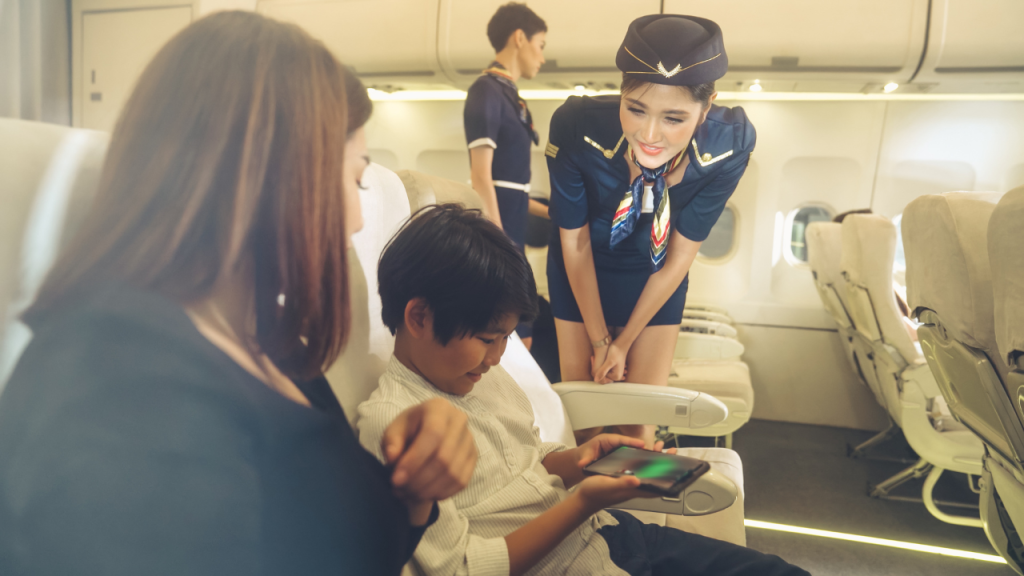
Hospitality is at the heart of the cabin crew role. The ability to deliver impeccable customer service differentiates a good crew member from a great one. During training, students learn the nuances of personalized service — recognizing that each passenger’s experience shapes the airline’s reputation.
This involves everything from greeting passengers warmly and anticipating their needs to handling complaints with grace. Patience and adaptability are key here; cabin crew must maintain composure even when faced with challenging passengers or delays. Training often includes role-playing exercises that mimic real-world service challenges, allowing trainees to refine their interpersonal skills in a safe learning environment.
Developing Teamwork and Collaboration
No cabin crew member works in isolation. The crew functions as a tightly knit team where coordination and trust are paramount. During training, students learn to work harmoniously with colleagues, understanding that smooth operations rely on seamless collaboration.
This means respecting different roles within the team, communicating clearly during flights, and supporting each other to ensure passenger comfort and safety. Team-building activities and group tasks during training help foster a sense of camaraderie and mutual respect. This skill is especially crucial during high-stress situations where every team member’s contribution counts.
Building Physical and Mental Resilience
The cabin crew life can be physically demanding and mentally taxing. Training prepares aspirants to handle long hours, jet lag, irregular meals, and the physical strain of moving around a pressurized cabin. Physical fitness is encouraged to meet these demands.
Mental resilience is equally important. Training includes strategies for stress management and emotional control. Being away from family for days, coping with passenger behavior, and maintaining professionalism at all times require emotional stamina. Techniques such as mindfulness, breathing exercises, and positive visualization are often introduced to help trainees build this resilience.
Polishing Grooming and Personal Presentation
First impressions matter a lot in the aviation industry. Cabin crew members represent their airline’s brand, and appearance plays a big role in this. Training focuses on grooming standards, uniform care, and personal hygiene.
Trainees learn about the importance of posture, body language, and a polished appearance that conveys confidence and approachability. Attention to detail — from neatly pressed uniforms to subtle makeup — is emphasized to maintain a professional image at all times. This skill complements the service-oriented nature of the role, creating an inviting and trustworthy presence for passengers.
Acquiring Multilingual Abilities
Though not mandatory for every airline, knowing more than one language can significantly boost a cabin crew member’s value. Training programs encourage aspirants to develop at least a working knowledge of key international languages, depending on their airline’s routes.
Multilingual skills facilitate better communication with passengers who may not speak English fluently, making the travel experience smoother and more pleasant. Even basic phrases or polite greetings in multiple languages can go a long way in building rapport and demonstrating cultural sensitivity.
Understanding Airline and Regulatory Knowledge
Behind the scenes, cabin crew must navigate a complex landscape of airline policies, aviation regulations, and security protocols. Training delves into these critical areas, equipping aspirants with the knowledge they need to comply with international standards.
This includes understanding baggage rules, immigration procedures, and aviation safety regulations enforced by bodies such as the International Air Transport Association (IATA). Familiarity with these rules ensures crew members can provide accurate information to passengers and act within legal frameworks during their duties.
Fostering Problem-Solving and Decision-Making Skills
In the dynamic environment of an aircraft cabin, unexpected challenges can arise at any moment. Whether it’s a medical emergency, a technical delay, or a passenger dispute, cabin crew must think on their feet.
Training hones problem-solving abilities by encouraging analytical thinking, creativity, and sound judgment. Trainees participate in scenario-based exercises where they must quickly assess situations, weigh options, and implement effective solutions. This ability to adapt and respond confidently is crucial for maintaining order and safety onboard.
Suggested Reading: Exploring the Top-Rated Tourism Management Courses in Delhi for Aspiring Travel Professionals
Conclusion: Your Journey Begins with the Right Training
Becoming a cabin crew member is an exciting and rewarding path, but it demands much more than just a desire to travel. The training period is a transformative phase where you evolve from an enthusiastic aspirant into a skilled professional capable of handling diverse situations with grace and efficiency.
The skills you master during training — from communication and cultural sensitivity to emergency response and teamwork — form the backbone of a successful career in the skies. Each skill interweaves to create a cabin crew member who is not only a guardian of safety but also a beacon of hospitality, ensuring every passenger’s journey is comfortable and memorable.
If you’re serious about pursuing this career, investing in comprehensive, quality training is non-negotiable. Travel Learning Hub offers an exceptional platform tailored to equip aspiring cabin crew with industry-relevant knowledge and practical skills. Their courses are designed to prepare students thoroughly, balancing theory with hands-on practice to build confidence and competence.
Explore more about how Travel Learning Hub can support your dreams and get you ready for takeoff by visiting https://travellearninghub.com/. Your future in the skies starts with the right foundation — and that foundation begins with mastering the skills every cabin crew aspirant must have.

Tags
About The Author