
Unlocking the Skies: A Deep Dive into Modern Cabin Crew Training Modules
Unlocking the Skies: A Deep Dive into Modern Cabin Crew Training Modules
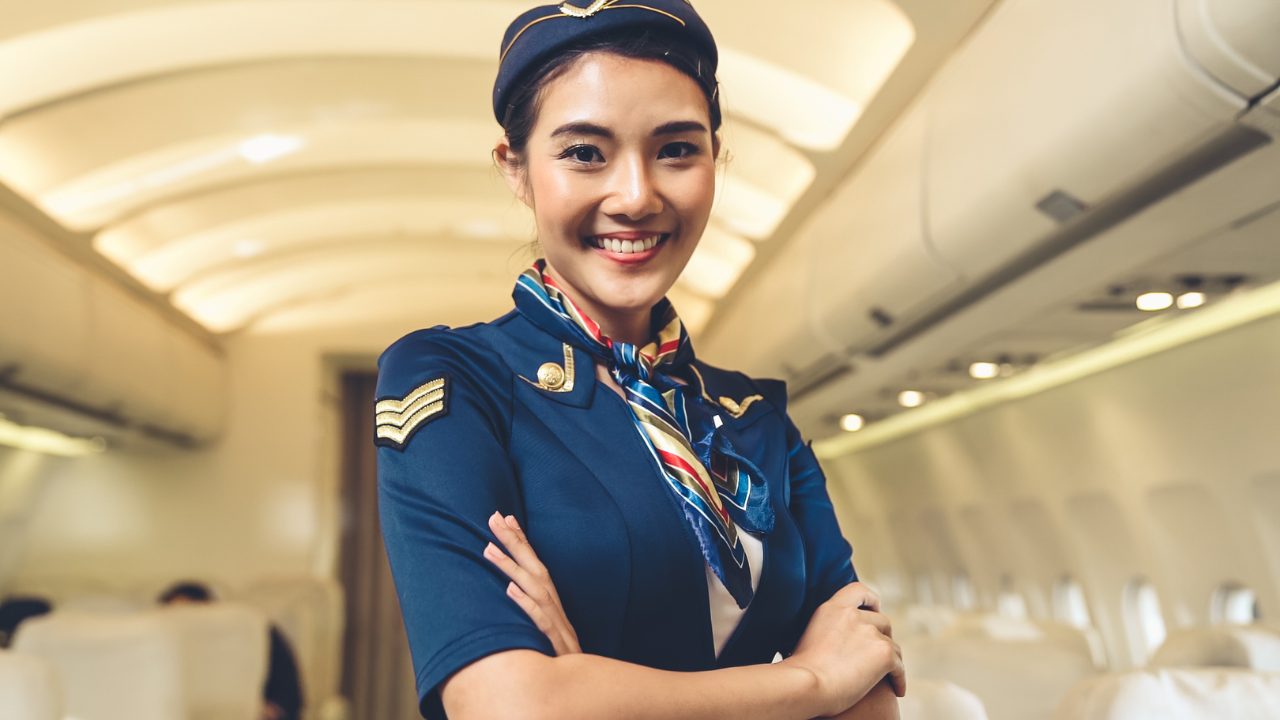
Have you ever wondered what it takes to be part of the elite team that ensures air travel runs smoothly? The glamorous world of cabin crew members may seem exciting and filled with adventure, but behind those polished smiles and impeccable service, there’s a lot of hard work, preparation, and intense training. Let’s take a deep dive into the modern cabin crew training modules that shape these professionals into the experts they are today. If you’re a student with aspirations of joining the aviation industry, this article will give you a closer look at what goes into preparing cabin crew members for the high-flying challenges ahead. We’ll also explore how the Travel Learning Hub plays a crucial role in this training.
The Evolution of Cabin Crew Training
Cabin crew training has come a long way from the early days of commercial aviation. Back in the 1930s, air hostesses were primarily hired for their looks and demeanor, with minimal training on safety or customer service. Fast forward to today, and the role of cabin crew is a sophisticated blend of customer service, security expertise, and crisis management skills. Airlines have recognized the importance of offering comprehensive, well-structured training that equips crew members with the necessary skills to handle a range of scenarios—from routine tasks like serving meals to more complex situations such as emergency evacuations.
In the modern era, training modules for cabin crew are more intricate and specialized than ever before. The foundation of these training programs is not just about being friendly and helpful; it’s about being prepared for any eventuality, ensuring passenger safety, and maintaining a calm, professional demeanor under pressure.
Core Areas of Modern Cabin Crew Training
To succeed as a cabin crew member, training is intensive and multifaceted. The following areas represent the pillars of any modern cabin crew training program:
1. Safety Protocols and Emergency Procedures
Arguably the most crucial aspect of cabin crew training revolves around safety. Cabin crew members must be equipped with in-depth knowledge of the aircraft, including emergency exits, equipment, and evacuation routes. They undergo extensive training in safety procedures that include CPR, first aid, fire safety, and the use of emergency equipment. In addition to this, cabin crew members are taught how to manage medical emergencies, deal with unruly passengers, and handle various in-flight incidents such as turbulence.
The modern focus on safety isn’t limited to theoretical knowledge; hands-on simulations are a key part of training. Students participate in simulated emergency scenarios in special training centers that mimic real-world conditions, such as cabin smoke or the need for an evacuation. These simulations are designed to ensure that the cabin crew can react swiftly and decisively when a real emergency occurs.
2. Customer Service and Communication
Once the safety protocols are well-practiced, the focus shifts to customer service. In the cabin crew role, interacting with passengers is a key responsibility. But it’s not just about offering smiles and refreshments. Cabin crew members are trained in communication, conflict resolution, and how to deal with different types of passengers—from the nervous flyer to the demanding customer.
The ability to handle difficult passengers with poise and professionalism is crucial. Training often involves role-playing scenarios where students practice responding to a range of customer complaints or concerns. Whether it’s a passenger with a special dietary request, a customer who has lost their luggage, or a situation involving miscommunication, the cabin crew needs to manage it all with a calm, reassuring attitude. These real-life simulations, which are part of modern training modules, teach students not only how to be effective communicators but also how to be empathetic and resourceful under pressure.
3. Cultural Awareness and Sensitivity
In an increasingly globalized world, cabin crew members encounter passengers from all corners of the globe. The training now includes cultural sensitivity, an essential skill for any airline professional. A crew member must understand and respect cultural differences, as well as be aware of various social norms and customs. This ensures that passengers from diverse backgrounds feel comfortable and valued during their journey.
Cultural awareness extends to communication as well. For example, understanding body language or the nuances of greetings in different cultures can make a huge difference in the passenger experience. In some instances, cabin crew members may also need to speak different languages or understand key phrases, especially for international flights.
4. Aircraft Familiarization and Technical Knowledge
While cabin crew members are primarily responsible for passenger safety and service, they also need to have a deep understanding of the aircraft itself. Modern training includes familiarization with the types of aircraft they will be working on, learning about the seating configurations, cabin layouts, and onboard systems. Understanding the technical aspects of the aircraft is essential, especially during emergency situations when crew members may need to provide crucial information to passengers.
A key part of the training involves learning about various cabin features such as the oxygen masks, life vests, and emergency exits. Crew members also receive detailed training on the aircraft’s communication systems, allowing them to manage situations both inside the cabin and with the cockpit team effectively.

5. Health and Wellness Training
A little-known fact is that cabin crew members are often required to undergo training that focuses on their health and wellness. The nature of the job—irregular hours, long flights, and jet lag—can take a toll on their physical and mental health. Airlines have begun offering wellness training programs to help cabin crew maintain a healthy lifestyle, both for their own well-being and for the safety of passengers.
These programs often cover topics such as nutrition, sleep management, stress reduction, and physical fitness. Crew members are also taught how to identify signs of fatigue or illness in themselves and others, ensuring that they are always fit for duty and ready to perform at their best.
The Role of Travel Learning Hub in Cabin Crew Training
When it comes to modern cabin crew training, Travel Learning Hub stands out as an invaluable resource. The platform offers a range of training modules that cater to aspiring cabin crew members, providing them with the knowledge and skills required to excel in this fast-paced industry.
Travel Learning Hub provides high-quality online courses that cover all the key areas of cabin crew training, from safety and emergency procedures to customer service and communication. The platform allows students to learn at their own pace, making it ideal for those who may be balancing their studies with other commitments. The flexibility of online learning combined with practical, real-world content makes Travel Learning Hub a go-to resource for anyone serious about pursuing a career in the aviation industry.
Through its comprehensive curriculum, Travel Learning Hub ensures that students are not only prepared for the theoretical aspects of cabin crew work but also equipped with the practical skills necessary to handle real-life situations in the skies. With expertly designed modules, simulations, and assessments, students gain confidence in their abilities and are ready to take on the challenges of a cabin crew role.
The platform also provides access to a global network of industry professionals, offering students opportunities to connect, ask questions, and gain insights into the aviation industry. This kind of exposure to industry experts is crucial in helping students make informed decisions about their careers.
Suggested Reading: Why the Amadeus Course in Delhi is a Game-Changer for Aspiring Travel Professionals
Conclusion
As you can see, the world of modern cabin crew training is multifaceted and intense. It requires a blend of practical skills, technical knowledge, and interpersonal abilities that ensure passenger safety and comfort during every flight. The role of cabin crew is no longer just about serving meals or offering drinks; it’s about being prepared for any situation, providing top-notch customer service, and maintaining a calm, professional demeanor at all times.
For students looking to enter this exciting field, platforms like Travel Learning Hub offer the perfect opportunity to gain the necessary knowledge and hands-on experience. By providing comprehensive training that covers all the essential aspects of cabin crew work, Travel Learning Hub ensures that aspiring aviation professionals are equipped with the skills needed to excel in the skies. Whether you’re looking to start your journey toward becoming a cabin crew member or simply want to explore the world of aviation, Travel Learning Hub is the resource you need to succeed.
To learn more and start your journey in the aviation industry, visit Travel Learning Hub.

Tags
About The Author